
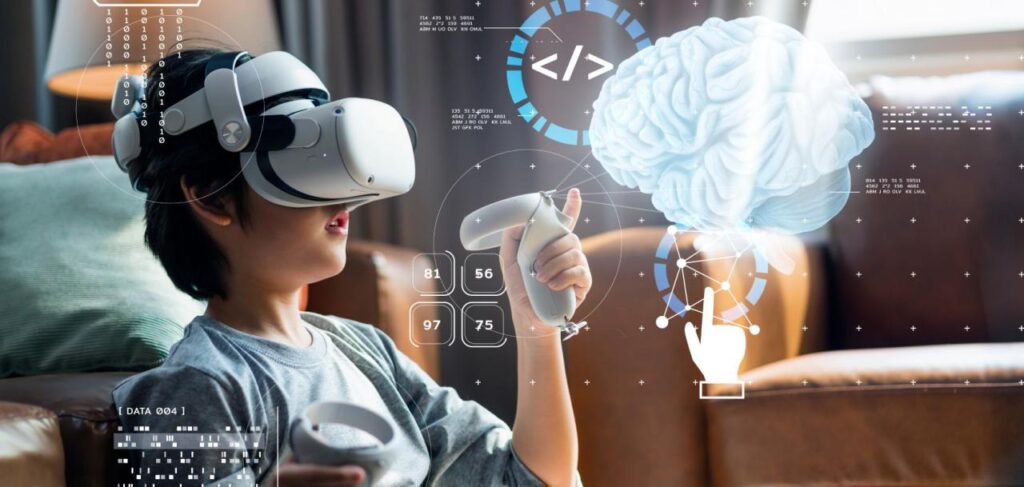
Imagine a world where learning feels like an adventure rather than a routine. With Virtual Reality (VR) leading the charge, education and training are stepping into an exciting era of innovation and transformation. This cutting-edge technology is tearing down the walls of traditional learning and opening doors to experiences once thought impossible.
From immersive lessons that bring abstract ideas to life, to realistic skill-building simulations, VR is rewriting the rulebook for how we gain knowledge and master new skills. Let’s dive into how virtual reality is changing classrooms, training centers, and workplaces — and why its impact is only just beginning.
Why Virtual Reality Matters in Learning and Training
VR technology has done what textbooks and lectures alone often can’t: it makes learning feel real. By recreating lifelike environments and scenarios, VR pulls learners into the heart of the lesson, engaging their senses and encouraging active participation.
Learning Becomes an Experience
- Hands-On Exploration: VR lets students grasp complex topics through direct experience. Abstract theories turn concrete when learners can see, touch, and interact with virtual models.
- Safe Practice Grounds: Trial and error become safe and stress-free. Learners can experiment, make mistakes, and try again — all without real-world consequences.
- Virtual Field Trips: Visit the Great Wall of China or the surface of Mars — no passport needed. VR takes students places they could never go otherwise, expanding their horizons in vivid detail.
Sharpening Skills in a Virtual World
VR isn’t just about exploration — it’s a powerful tool for mastering practical skills:
- Realistic Simulations: Medical students can practice surgeries. Pilots can rehearse emergency maneuvers. All within a safe, virtual environment.
- Instant Feedback: Learners get immediate guidance and corrections, speeding up skill development and building confidence.
- Teamwork and Communication: Many VR experiences are collaborative, strengthening skills essential for working well with others.
How Schools and Companies Are Using VR Right Now
VR is already making a difference in classrooms and corporate training programs worldwide. Here are a few standout examples:
- Medical Training: Future doctors hone their surgical techniques in virtual operating rooms.
- History Lessons: Students walk through ancient cities and witness historical events up close.
- Engineering Design: Aspiring engineers build and test prototypes in a digital sandbox, saving time and resources.
Companies, too, are tapping into VR’s potential:
- Walmart: Uses VR to train staff in customer service and safety procedures.
- Boeing: Trains aircraft technicians with detailed VR maintenance modules.
- Hilton: Improves hospitality skills by recreating real hotel scenarios.
- UPS: Enhances driver safety with lifelike road condition simulations.
How to Bring VR Into Training Programs
Implementing VR isn’t as daunting as it sounds. Here’s how organizations can make it work:
- Pinpoint Training Needs: Identify which skills need a boost.
- Develop Relevant Content: Create realistic VR scenarios tied to learning goals.
- Invest in Tech: Choose the right VR hardware and software.
- Offer Hands-On Practice: Let employees or students engage directly with the virtual environment.
- Measure Success: Use feedback and performance metrics to track results and make improvements.
VR vs. Traditional Training: What’s Better?
Compared to old-school methods, VR offers some clear advantages:
- Higher Engagement: Learners are more involved when training is interactive and immersive.
- Better Retention: Active participation helps people remember what they learn.
- Long-Term Savings: While the initial setup can be costly, VR reduces expenses for travel, materials, and venue rentals over time.
- Flexibility: Trainees can learn anytime, anywhere — perfect for remote workforces.
- Practical Skills: VR mirrors real-life situations, boosting confidence and job readiness.
Top VR Tools for Education
Several platforms are paving the way for VR in learning:
- Google Expeditions: Takes students on guided virtual tours of famous landmarks and natural wonders.
- ClassVR: Lets teachers build custom VR lessons and quizzes for an engaging classroom experience.
- AltspaceVR: Creates virtual meeting spaces for classes, conferences, and collaborative events.
How to Pick the Right VR Tool
When choosing a VR solution, keep these tips in mind:
- Align with Goals: Make sure the tool supports your specific educational or training objectives.
- Ease of Use: A user-friendly interface means less time spent troubleshooting and more time learning.
- Check Compatibility: Ensure the tool works smoothly with your existing systems and that support is readily available.
Challenges and What’s Next
Of course, no innovation is without hurdles:
- Cost: High-quality VR gear can be expensive.
- Teacher Training: Educators need support and training to use VR effectively.
- Tech Issues: Glitches and compatibility problems can disrupt lessons.
But the future looks bright. Here’s what’s on the horizon:
- Mobile VR: Affordable, portable headsets will make VR even more accessible.
- Personalized Learning: AI will adapt VR content to match each student’s pace and style.
- Social Learning: Virtual group projects and classrooms will strengthen collaboration skills and global connections.
A New Era of Learning Awaits
Virtual reality is more than just a tech trend — it’s a gateway to richer, more meaningful learning and training. Whether you’re a teacher, student, or employer, embracing VR means unlocking endless opportunities to grow, explore, and succeed.
So, are you ready to step into the future of education and training? Put on your headset — the adventure is just beginning.
