
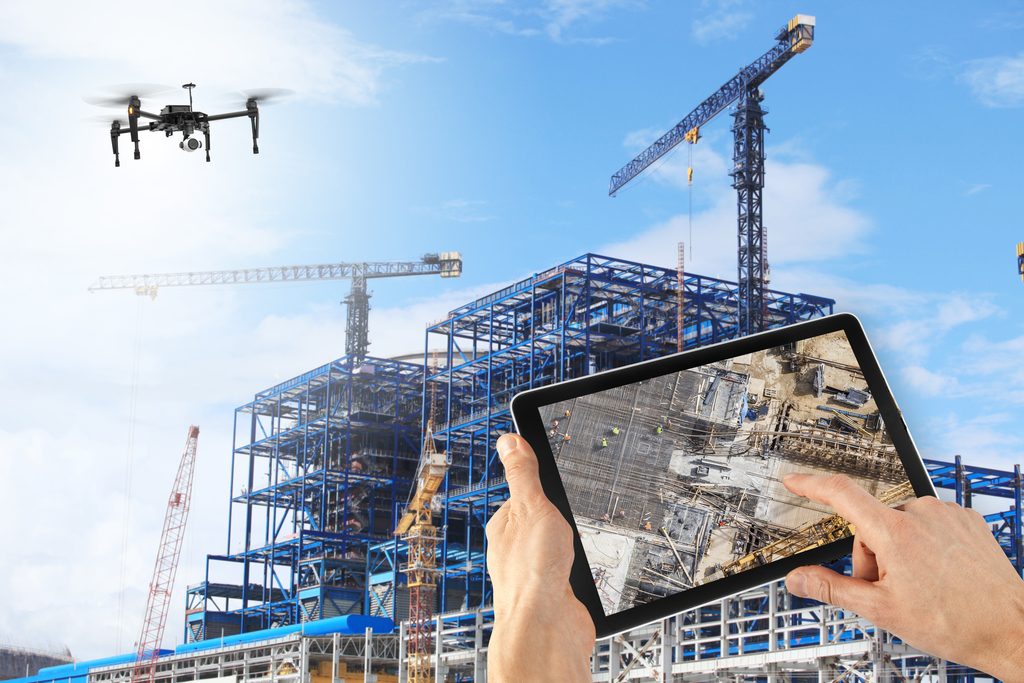
The use of drones in the construction industry is rapidly becoming a game changer. Construction companies around the world are investing in drone technology to increase site safety, improve project monitoring, and cut down on operational costs. As the demand for faster and more accurate construction processes grows, drones are proving to be a smart investment with a high return.
One of the biggest advantages of drones on construction sites is real-time aerial surveillance. Project managers can now access high-resolution images and videos without having to step foot on hazardous areas. This not only saves time but also reduces the risk of on-site accidents, making drones an essential tool for improving workplace safety — a key priority in any construction project.
In addition to surveillance, drones are revolutionizing site mapping and land surveying. Traditional surveying methods can be slow and expensive, but drones can capture detailed topographic data within hours. This means faster planning, more accurate measurements, and significant cost savings. No wonder many construction companies see drones as a vital asset for surveying and mapping services.
Another critical use of drones is progress tracking. Weekly or even daily drone flights provide up-to-date visual records of a project’s status. This helps project stakeholders — from engineers to investors — monitor milestones and address potential delays early. Such transparency fosters trust and keeps everyone aligned with project timelines and budgets.
For large-scale projects, drones play a crucial role in equipment and material management. With an aerial view, managers can quickly check where machinery and materials are located, ensuring resources are used efficiently and nothing gets misplaced. This optimization leads to better resource allocation, reducing downtime and unnecessary expenses.
Safety inspections are another area where drones excel. Instead of sending workers into dangerous spots — such as tall structures, roofs, or unstable scaffolding — drones can perform close-up inspections safely from the sky. This reduces workplace injuries and keeps safety compliance high, which can lower insurance premiums and liability costs.
Environmental monitoring is also easier with drones. Construction companies must comply with strict regulations to minimize their environmental footprint. Drones can monitor dust levels, erosion, and nearby water sources in real-time. This data helps contractors stay compliant and avoid fines, protecting both the environment and the company’s reputation.
Despite the benefits, implementing drones requires proper drone pilot training and compliance with aviation laws. Many firms choose to hire licensed drone operators or partner with professional drone service providers to ensure legal and safe operations. This guarantees high-quality data collection without risking fines or project delays.
The future of drones in construction looks even more promising with advancements in AI-powered analytics and autonomous drone flights. Soon, drones will not just collect data but also analyze it instantly, providing actionable insights to boost productivity and profitability. Staying updated with these trends can give construction companies a competitive edge.
In conclusion, drones are no longer just a futuristic concept — they are a practical tool driving efficiency, safety, and cost savings in the construction industry today. Companies that invest in drone technology position themselves at the forefront of innovation. As this technology continues to evolve, drones will remain an indispensable part of successful, sustainable construction projects worldwide.
